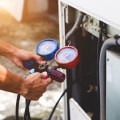
When it comes to maintaining a comfortable indoor environment, understanding HVAC systems is essential. HVAC, which stands for heating, ventilation, and air conditioning, encompasses a range of technologies designed to regulate the temperature, humidity, and air quality within residential and commercial spaces. These systems play a crucial role in ensuring that we remain comfortable throughout the changing seasons, making them an integral part of modern living. At its core, an HVAC system consists of several key components that work together seamlessly. The heating element can include furnaces or heat pumps that generate warmth during colder months.
In contrast, the air conditioning component cools the air during hot weather, providing relief from the sweltering heat. Additionally, the ventilation aspect ensures that fresh air circulates throughout the space while removing stale air, which is vital for maintaining good indoor air quality. Understanding the basics of HVAC systems is not just for professionals; it is also beneficial for homeowners and business owners alike. Whether you are planning a new installation or considering an upgrade to your existing system, having a solid grasp of how these systems function can empower you to make informed decisions. This knowledge will help you choose the right equipment for your specific needs and ensure that your HVAC project is executed efficiently and effectively. As we delve deeper into this guide, we will explore various aspects of HVAC systems in detail, including their components, types, and maintenance practices.
By the end of this article, you will have a comprehensive understanding of HVAC systems and be well-prepared to tackle any HVAC project with confidence.
Components of an HVAC System
Understanding the components of an HVAC system is crucial for anyone embarking on an HVAC project. Each part plays a significant role in ensuring that your indoor environment remains comfortable throughout the year. Below, we delve into the primary components that make up an HVAC system.- Furnaces: Furnaces are essential for heating your space. They work by burning fuel or using electricity to generate heat, which is then distributed throughout your home via ductwork.
There are various types of furnaces, including gas, electric, and oil furnaces, each with its own efficiency ratings and operational costs.
- Air Conditioners: Air conditioning units are responsible for cooling your indoor air during hot months. They operate by removing heat from the air inside your home and transferring it outside. Central air conditioning systems are commonly used in larger homes, while window units or portable air conditioners may be more suitable for smaller spaces.
- Heat Pumps: Heat pumps serve a dual purpose by providing both heating and cooling. In winter, they extract heat from the outside air (even in cold temperatures) and transfer it indoors.
Conversely, in summer, they reverse the process to cool your home. This versatility makes heat pumps an energy-efficient option for many homeowners.
- Ductwork: Ducts are the pathways through which heated or cooled air travels from the HVAC system to different rooms in your home. Properly designed and insulated ductwork is vital for maintaining energy efficiency and ensuring that every room receives adequate airflow.
- Thermostats: The thermostat acts as the control center for your HVAC system. It allows you to set and adjust the desired temperature in your home.
Modern smart thermostats can learn your preferences over time and optimize energy usage accordingly, providing both comfort and savings on utility bills.
Types of HVAC Systems
When it comes to HVAC systems, understanding the different types available is essential for making an informed decision that suits your specific needs. HVAC systems can be broadly categorized into two main types: residential and commercial systems.Each type has its unique features, advantages, and applications.
Residential HVAC Systems
Residential HVAC systems are designed to provide heating and cooling for individual homes. These systems are typically smaller in scale and are tailored to meet the specific comfort needs of a household. Here are some common types of residential HVAC systems:- Central Air Conditioning Systems: These systems use a network of ducts to distribute cooled air throughout the home. They are efficient and effective for larger spaces.
- Heat Pumps: Heat pumps can both heat and cool a home by transferring heat from one place to another.
They are particularly popular in moderate climates.
- Ductless Mini-Split Systems: Ideal for homes without ductwork, these systems consist of an outdoor compressor and one or more indoor units, providing flexibility in temperature control.
- Furnaces: Furnaces are a traditional heating option that uses gas, oil, or electricity to generate heat, which is then distributed through ducts.
Commercial HVAC Systems
In contrast, commercial HVAC systems are designed for larger buildings such as offices, schools, and shopping centers. These systems must accommodate higher demands and often include more complex components. Common types include:- Variable Air Volume (VAV) Systems: VAV systems adjust the volume of air delivered to different areas based on demand, making them energy-efficient.
- Chilled Water Systems: These systems use chilled water to cool air in large spaces and are often used in conjunction with cooling towers.
- Packaged Rooftop Units (RTUs): RTUs combine heating and cooling in a single unit installed on the roof, making them ideal for commercial buildings with limited space.
In commercial settings, investing in advanced HVAC technology can lead to improved air quality and employee productivity.Ultimately, whether you are considering a residential or commercial HVAC project, understanding the types of systems available will help you make an informed choice that meets your specific needs.
How to Choose the Right HVAC System for Your Project
Choosing the right HVAC system for your project is a critical decision that can significantly impact your comfort, energy efficiency, and overall satisfaction with your indoor environment. Here are some essential factors to consider when selecting an HVAC system:- Home Size: The size of your home plays a crucial role in determining the type and capacity of the HVAC system you need. A system that is too small will struggle to maintain comfortable temperatures, while one that is too large can lead to inefficient operation and increased energy costs. To find the right size, consider conducting a load calculation, which takes into account factors such as square footage, insulation levels, and window sizes.
- Climate: Your local climate significantly influences the type of HVAC system that will work best for you.
For instance, if you live in a region with extreme temperatures, you may require a more robust system capable of handling both heating and cooling demands effectively. In contrast, milder climates may allow for simpler systems.
- Energy Efficiency: Look for systems with high Seasonal Energy Efficiency Ratio (SEER) ratings for cooling and Annual Fuel Utilization Efficiency (AFUE) ratings for heating. Higher ratings indicate better energy efficiency, which can lead to lower utility bills over time. Additionally, consider ENERGY STAR certified systems, which meet strict energy efficiency guidelines set by the U.
S. Environmental Protection Agency.
- Type of System: There are various types of HVAC systems available, including central air conditioning units, heat pumps, ductless mini-splits, and furnaces. Each type has its advantages and disadvantages depending on your specific needs and preferences. For example, ductless systems are ideal for homes without existing ductwork but may have higher upfront costs.
- Budget: Establishing a budget is essential when selecting an HVAC system.
Consider not only the initial purchase price but also installation costs and long-term operating expenses. While it may be tempting to choose the cheapest option available, investing in a quality system can save you money in repairs and energy bills in the long run.
Energy Efficiency and Sustainability in HVAC Systems
In today’s world, where environmental concerns are at the forefront of public consciousness, the importance of energy efficiency and sustainability in HVAC systems cannot be overstated. As homeowners and businesses seek to reduce their carbon footprints, the demand for eco-friendly HVAC options has surged.This section delves into the significance of energy-efficient HVAC systems and explores various sustainable heating and cooling technologies.Energy-efficient HVAC systems are designed to minimize energy consumption while maintaining optimal comfort levels. These systems not only help in reducing utility bills but also contribute to a healthier planet by lowering greenhouse gas emissions. One of the most effective ways to enhance energy efficiency is through the use of high-efficiency equipment. For instance, modern furnaces and air conditioners are often rated with a Seasonal Energy Efficiency Ratio (SEER) or Annual Fuel Utilization Efficiency (AFUE) rating, which indicates their efficiency levels.
Choosing units with higher ratings can lead to significant energy savings.
Eco-Friendly HVAC Options
Several eco-friendly options are available for those looking to upgrade their HVAC systems:- Geothermal Heat Pumps: These systems utilize the earth's stable underground temperature to provide heating and cooling, making them one of the most efficient options available.
- Solar-Powered HVAC: Integrating solar panels with your HVAC system can drastically reduce reliance on traditional energy sources, harnessing renewable energy for heating and cooling needs.
- Ductless Mini-Split Systems: These systems allow for zoned heating and cooling, which can lead to reduced energy waste by only conditioning occupied spaces.
- Smart Thermostats: Utilizing smart technology can optimize your HVAC system's performance by learning your schedule and adjusting temperatures accordingly, further enhancing energy savings.
Common Issues with HVAC Systems and How to Troubleshoot Them
Maintaining an HVAC system is essential for ensuring optimal performance and comfort in your home or business.However, like any mechanical system, HVAC units can encounter a variety of issues over time. Understanding these common problems and knowing how to troubleshoot them can save you time, money, and frustration.
1.Inadequate Heating or Cooling
One of the most frequent complaints from HVAC users is inadequate heating or cooling. This issue can stem from several factors:- Dirty Filters: Clogged air filters restrict airflow, making it difficult for your system to maintain the desired temperature. Regularly check and replace filters every 1-3 months.
- Thermostat Issues: If your thermostat is malfunctioning or incorrectly calibrated, it may not signal the HVAC system to heat or cool effectively.
Ensure it’s set to the correct mode and temperature.
- Refrigerant Leaks: Low refrigerant levels can hinder cooling efficiency. If you suspect a leak, contact a professional technician to inspect and recharge your system.
2.Unusual Noises
Strange sounds coming from your HVAC unit can indicate underlying problems:- Banging or Clanking: These noises may suggest loose or broken components within the system.
- Squealing: A high-pitched squeal could indicate worn-out bearings in the motor.
- Hissing: This sound might be a sign of a refrigerant leak or an issue with the ductwork.
3.Frequent Cycling
If your HVAC system turns on and off frequently, it may be short cycling, which can lead to increased energy bills and wear on the unit. Possible causes include:- Oversized Unit: An HVAC system that is too large for your space will heat or cool too quickly, causing it to cycle on and off.
- Thermostat Placement: If the thermostat is located near drafts or direct sunlight, it may read temperatures inaccurately.
Troubleshooting Tips
If you encounter any of these issues, here are some troubleshooting steps you can take before calling a professional:- Check and replace air filters as needed.
- Inspect the thermostat settings and batteries.
- Examine ductwork for any visible leaks or blockages.
- Listen for unusual sounds and note when they occur to provide information to your technician.
The Importance of Regular Maintenance for Your HVAC System
Regular maintenance of your HVAC system is not just a recommendation; it is a necessity for ensuring optimal performance and extending the lifespan of your equipment.Just like any other mechanical system, HVAC units require periodic checks and servicing to function efficiently. Neglecting these essential maintenance tasks can lead to a host of problems, including decreased efficiency, higher energy bills, and costly repairs.
Why Regular Maintenance Matters
- Improved Efficiency: A well-maintained HVAC system operates more efficiently, which translates to lower energy consumption. This efficiency not only saves you money on utility bills but also reduces your carbon footprint.
- Extended Lifespan: Regular servicing can significantly extend the life of your HVAC system. By addressing minor issues before they escalate into major problems, you can avoid premature replacements.
- Enhanced Air Quality: Routine maintenance includes cleaning or replacing filters, which helps improve indoor air quality.
This is particularly important for individuals with allergies or respiratory issues.
- Prevention of Costly Repairs: Regular inspections can identify potential issues early on, allowing for timely repairs that are often less expensive than major overhauls or replacements.
HVAC Maintenance Tips
- Change Filters Regularly: Depending on usage, filters should be changed every 1-3 months. Clogged filters restrict airflow and can cause the system to work harder than necessary.
- Schedule Professional Inspections: At least once a year, have a qualified technician inspect your HVAC system. They can perform comprehensive checks and tune-ups that are crucial for optimal performance.
- Clean the Condenser Coils: Dust and debris can accumulate on the outdoor unit's coils, reducing efficiency. Clean them at least once a year to ensure proper heat exchange.
- Check Thermostat Settings: Ensure that your thermostat is functioning correctly and set to the appropriate temperature for your comfort needs.
Consider upgrading to a programmable thermostat for added convenience.
- Inspect Ductwork: Leaks in ductwork can lead to significant energy loss. Have your ducts inspected and sealed if necessary to maintain efficiency.
Cost Considerations for Your HVAC Project
When planning an HVAC project, understanding the associated costs is crucial for effective budgeting. The expenses can vary significantly based on several factors, including the type of system, installation complexity, and regional pricing differences.Here’s a breakdown of the key cost considerations you should keep in mind.
1.Initial Purchase Costs
The first major expense in your HVAC project is the purchase of the system itself. The cost of HVAC units can range widely:- Central Air Conditioning Systems: Typically between $3,000 and $7,000.
- Furnaces: Ranging from $2,500 to $6,000 depending on the type (gas, electric, or oil).
- Heat Pumps: Generally priced between $4,000 and $8,000.
- Ductless Mini-Split Systems: Usually cost between $3,000 and $5,000.
2.Installation Costs
Installation is another significant part of your budget. Professional installation can add anywhere from $1,500 to $5,000 to your total costs. Factors influencing installation costs include:- The complexity of the installation (e.g., retrofitting existing ductwork).
- The location of your home and local labor rates.
- The need for additional components like ductwork or electrical upgrades.
3.Operating Costs
Once your HVAC system is installed, you’ll need to consider ongoing operating costs.These include:
- Energy Bills: Monthly utility costs will depend on your system's efficiency rating and local energy prices.
- Maintenance: Regular maintenance is essential for efficiency and longevity; budget around $150 to $300 annually for service calls.
- Repairs: Unexpected repairs can arise; setting aside a fund for these costs is wise.
4.Cost-Effective Solutions
If you're looking to save money on your HVAC project, consider these cost-effective solutions:- Energy-Efficient Models: Investing in high-efficiency systems can reduce long-term operating costs.
- Smart Thermostats: These devices optimize heating and cooling schedules to save energy.
- Regular Maintenance: Keeping your system well-maintained can prevent costly repairs down the line.
FAQs About HVAC Systems
When it comes to HVAC systems, many homeowners and business owners have questions that can often lead to confusion. Below are some of the most frequently asked questions about HVAC systems, along with clear and concise answers to help you better understand this essential aspect of your property.- What does HVAC stand for?
HVAC is an acronym for Heating, Ventilation, and Air Conditioning. It encompasses the technology used to provide heating and cooling services to buildings. - How often should I service my HVAC system?
It is recommended to have your HVAC system serviced at least once a year. Regular maintenance helps ensure efficiency, prolongs the lifespan of the system, and can prevent costly repairs. - What are the signs that my HVAC system needs repair?
Common signs include unusual noises, inconsistent temperatures throughout your home, increased energy bills, and poor air quality.If you notice any of these issues, it may be time to call a professional.
- What is the difference between a heat pump and a furnace?
A heat pump transfers heat from one place to another and can provide both heating and cooling. A furnace generates heat through combustion or electric resistance and typically only provides heating. - How can I improve my HVAC system's efficiency?
To enhance efficiency, consider changing air filters regularly, sealing ductwork leaks, using programmable thermostats, and ensuring that your system is properly sized for your space. - What is SEER rating?
The Seasonal Energy Efficiency Ratio (SEER) measures the efficiency of air conditioning units. A higher SEER rating indicates a more efficient unit, which can lead to lower energy costs. - Why is indoor air quality important?
Indoor air quality affects your health and comfort. Poor air quality can lead to respiratory issues, allergies, and other health problems.An effective HVAC system helps filter out pollutants and maintain a healthy environment.
Conclusion: Key Takeaways on Your HVAC Project Journey
As we conclude this comprehensive guide on HVAC systems, it’s essential to reflect on the critical elements that will aid you in your HVAC project. Understanding these components not only enhances your knowledge but also empowers you to make informed decisions that can significantly impact the comfort and efficiency of your space.First and foremost, recognizing the different types of HVAC systems available is crucial. Whether you opt for a central air conditioning system, a ductless mini-split, or a heat pump, each has its unique advantages and considerations.Assessing your specific needs, such as the size of your property, climate conditions, and energy efficiency goals, will guide you in selecting the most suitable system.Moreover, the importance of proper installation cannot be overstated. A well-installed HVAC system ensures optimal performance and longevity. Engaging qualified professionals for installation not only guarantees adherence to safety standards but also maximizes energy efficiency. Remember, a poorly installed system can lead to increased energy costs and frequent repairs.Regular maintenance is another key takeaway.
Scheduling routine check-ups and servicing can prevent minor issues from escalating into costly repairs. Simple tasks like changing filters, cleaning ducts, and checking refrigerant levels can significantly enhance your system's performance and lifespan.Additionally, understanding the role of smart technology in HVAC systems is becoming increasingly important. Smart thermostats and home automation systems allow for better control over your heating and cooling needs, leading to improved energy efficiency and comfort.Lastly, always consider the long-term costs associated with your HVAC project. While initial installation costs are important, evaluating energy consumption and potential repair expenses over time will provide a clearer picture of your investment.In summary, embarking on an HVAC project requires careful consideration of various factors—from system selection to installation and maintenance.
By keeping these key takeaways in mind, you can ensure that your HVAC system meets your comfort needs while being efficient and cost-effective.